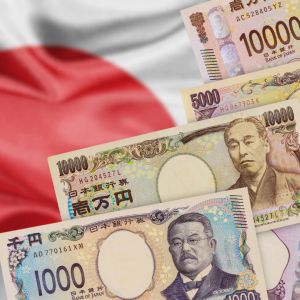
Inflation in Japan picked up again for the first time since May, with new government figures showing a 2.9% rise in core consumer prices in September, which matched analyst forecasts and was higher than August’s 2.7% print. The core gauge ignores fresh food costs but still includes energy, meaning it captures a big chunk of household expenses. This is the same figure as headline inflation, which also rose to 2.9%, breaking higher than the Bank of Japan’s 2% goal for the 41st consecutive month. But not all inflation indicators went up. The core-core index, the one that strips out both energy and fresh food, and is the BOJ’s preferred way of tracking how embedded price increases have become, actually slowed to 3% in September. That’s down from 3.3% in August, signaling a possible cooling in broader price pressures. The mixed numbers come at a messy moment for the country. Sanae Takaichi, who just took over as prime minister this week, is now dealing with an economy that’s facing expensive imports, supply issues, and fading consumer confidence. She also has a central bank that’s trying to end a decades-long experiment with rock-bottom interest rates. That’s not a fun hand to be dealt. Rice prices fall but households still struggle Rice inflation, which had been insane earlier this year, is slowing fast. In September, prices were up 49.2% from the year before, which sounds awful, but it’s still way down from the 69.7% surge in August. Back in May, that number hit 101.7%, the highest jump in rice prices in more than fifty years. For families who rely on rice every day, even the slowdown doesn’t mean relief, just slightly less pain. Markets reacted right away. The Nikkei 225 closed 0.78% higher after the inflation print came out. The yen edged up slightly to 152.53 per dollar, but not by much. Traders are betting on whether the BOJ will finally pull the trigger on policy normalization, something that’s been talked about for years but rarely acted on. Tomohiko Taniguchi, who works as a Special Advisor at the Fujitsu Future Studies Center, told CNBC’s Squawk Box Asia on October 13 that inflation is already hurting millions of Japanese citizens. “Japan has a large population of retirees drawing pensions and those on a fixed income,” Tomohiko said. “Inflation is very painful for them.” He added that Sanae’s ability to tackle the issue will be her first big test. “How to tackle inflation is going to be the first litmus test to judge whether Takaichi could deliver a policy package.” Takaichi plans ¥13.9T stimulus while BOJ stays on edge Sanae is already looking at a major rescue plan. On October 22, Reuters reported she’s preparing a stimulus deal worth more than 13.9 trillion yen, or about $92.19 billion, aimed at helping households keep up with rising prices, supporting new tech investment, and funding defense. The plan could be unveiled as early as next month. But not everyone’s confident that will be enough.Jesper Koll, director at Monex Group, said that the new cabinet’s popularity could collapse if inflation doesn’t drop below 2% soon. “If inflation in Japan is still not below 2% in six to nine months’ time, the popularity of this cabinet is going to plummet,” Jesper said. “To the Japanese people… the number one, number two, number three concern is inflation.” While Japan wrestles with these problems, Asia’s broader markets were climbing.South Korea’s Kospi rose 2%, hitting a fresh record high on Friday. The gains came after White House Press Secretary Karoline Leavitt confirmed that U.S. President Donald Trump will leave for Malaysia Friday night before traveling to Japan and South Korea. Trump is scheduled to meet China’s President Xi Jinping next Thursday after speaking at the APEC CEO Summit, Reuters said. The Kosdaq, which tracks smaller South Korean companies, also gained 0.92%. South Korea’s finance ministry warned Friday it could step in to stabilize currency markets if needed, following volatility in the won-dollar exchange rate. The won strengthened 0.11% to 1,434.7 against the dollar, although it’s lost over 4% in the last three months. It’s still up 2.86% on the year. Other markets followed the same path. Hong Kong’s Hang Seng Index added 0.83%, while China’s CSI 300 climbed 0.57%. Australia’s ASX/S&P 200 opened 0.19% higher. And down in Australia, there’s a central bank overhaul in the works.Governor Michele Bullock said Friday the Reserve Bank of Australia will begin reviewing upgrades to its interbank settlement platform, the Reserve Bank Information and Transfer System, starting next year. Michele said the bank will look at adding new tech, extending operating hours, and increasing how much central bank money gets used in settlements. Join a premium crypto trading community free for 30 days - normally $100/mo.