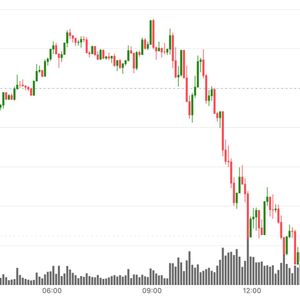
BitcoinWorld El Salvador’s Bitcoin Holdings Plummet $300M, Sparking IMF Loan Crisis San Salvador, March 2025 – The value of El Salvador’s national Bitcoin treasury has plunged by approximately $300 million, a stark financial setback directly tied to the cryptocurrency’s recent price decline. This significant paper loss, first reported by Walter Bloomberg, casts a harsh spotlight on the risks inherent in President Nayib Bukele’s pioneering yet controversial state-level crypto investment strategy. Consequently, the situation is now generating palpable anxiety within the country’s bond market and critically complicating high-stakes negotiations with the International Monetary Fund for a vital $1.4 billion loan. El Salvador’s Bitcoin Strategy Faces a $300 Million Reality Check El Salvador made global financial history in September 2021 by adopting Bitcoin as legal tender. Since that landmark decision, the government, under President Bukele’s directive, has consistently purchased Bitcoin, building a national portfolio. The strategy aimed to foster financial inclusion, attract investment, and reduce reliance on the US dollar. However, the inherent volatility of cryptocurrency markets has now delivered a severe test. The reported $300 million decline in portfolio value is not an isolated loss but a symptom of broader market conditions affecting all crypto investors, albeit with amplified consequences for a sovereign nation. Market analysts closely monitor the country’s public Bitcoin addresses. They note purchases have continued even during market downturns, a strategy Bukele frames as “buying the dip.” For instance, the government acquired additional Bitcoin in late 2024. This persistent accumulation, while potentially profitable in a long-term bull market, increases the nation’s exposure to crypto asset volatility. The current downturn translates that exposure into concrete financial strain on the national balance sheet. IMF Negotiations and Bond Market Jitters Intensify The financial repercussions extend far beyond the digital wallet. The International Monetary Fund has repeatedly expressed concerns about El Salvador’s Bitcoin policy. These concerns center on financial stability, consumer protection, and the potential for fiscal liabilities. The ongoing $1.4 billion loan negotiation is pivotal for the country’s economic stability. Analysts from institutions like Fitch Ratings and JPMorgan have warned that the combination of continuous Bitcoin purchases and delays in promised pension reforms could jeopardize the IMF’s support. A Sovereign Debt Dilemma Simultaneously, the bond market is reacting with heightened nervousness. El Salvador’s dollar-denominated bonds are a key indicator of investor confidence. The perceived increase in risk from the Bitcoin strategy’s losses has contributed to wider yield spreads. This means the government faces higher borrowing costs in international markets. The situation creates a complex feedback loop: financial pressure from bond markets and the IMF could limit fiscal options, while the pursuit of alternative strategies like Bitcoin carries its own demonstrable risks. Key Impacts of El Salvador’s Bitcoin Value Decline Area of Impact Direct Consequence Potential Long-term Effect National Treasury $300M reduction in asset value Constricted fiscal space for public spending IMF Negotiations Increased skepticism and stalled talks Loss of crucial financial support and credibility Bond Market Higher yield spreads on sovereign debt Increased cost of future government borrowing Economic Policy Intense scrutiny of crypto-legal tender model Potential policy reversal or modification Analyzing the Risks of National Cryptocurrency Investment El Salvador’s experience provides a real-time case study on the perils and promises of sovereign cryptocurrency investment. The core risks, now materializing, include: Extreme Volatility: Cryptocurrency prices can swing dramatically, making them unreliable as short-term reserve assets. Fiscal Management Challenges: Mark-to-market losses create apparent budget shortfalls and complicate economic planning. International Institutional Friction: Traditional lenders like the IMF view such assets as risky, complicating access to conventional finance. Reputational Damage: Public losses can undermine domestic and international confidence in economic stewardship. Conversely, proponents argue for the long-term potential of Bitcoin as a non-sovereign store of value and a tool for economic innovation. The Chivo digital wallet, for example, aimed to bring thousands of unbanked citizens into the financial system. The current crisis, however, underscores that the path to such potential is fraught with immediate financial hazards. The Global Watch and Future Precedent Financial authorities and other nations considering digital asset integration are observing El Salvador closely. The outcome of this situation will set a significant precedent. A successful navigation of this volatility could validate a new model for national finance. Alternatively, a severe crisis could deter similar experiments for years. The country’s next moves—whether doubling down, pausing purchases, or seeking a strategic pivot—will be critically analyzed by global markets and policymakers alike. Conclusion The $300 million decline in El Salvador’s Bitcoin holdings represents more than a portfolio loss; it is a stress test for a radical economic experiment. The situation directly impacts the nation’s fiscal health, its negotiations for an essential IMF loan, and its standing in international bond markets. While the long-term vision of cryptocurrency integration pursues financial innovation and inclusion, the short-term reality highlights the profound risks of aligning national treasury management with a highly volatile asset class. The world now watches to see how El Salvador manages this crypto-induced financial pressure and what lessons emerge for the future of sovereign digital asset strategy. FAQs Q1: How much has El Salvador lost on its Bitcoin investment? The reported paper loss is approximately $300 million, based on the decline in Bitcoin’s market price from the government’s average purchase price to its value in early 2025. Q2: Why is the IMF concerned about El Salvador’s Bitcoin purchases? The IMF prioritizes financial stability and responsible fiscal management. It views Bitcoin’s volatility as a threat to El Salvador’s economic stability and sees the asset as complicating the country’s debt profile, making the $1.4 billion loan a higher-risk proposition. Q3: Is El Salvador still buying Bitcoin despite the losses? Yes, according to public blockchain data and government statements, El Salvador has continued its strategy of periodic Bitcoin purchases, including during market dips, as part of its long-term national treasury strategy. Q4: How does this affect the average Salvadoran citizen? Citizens face indirect effects through potential impacts on national creditworthiness, which can influence economic growth, job creation, and public service funding. Users of the Chivo wallet also experience the direct volatility of their Bitcoin holdings. Q5: Have any other countries adopted a similar strategy? While other nations, like the Central African Republic, have adopted Bitcoin as legal tender, no other country has been as publicly active in accumulating Bitcoin as a national treasury asset on the scale of El Salvador, making it a unique global case study. This post El Salvador’s Bitcoin Holdings Plummet $300M, Sparking IMF Loan Crisis first appeared on BitcoinWorld .