BitcoinWorld Trump Iran Decision: Critical Crossroads as US Weighs Diplomatic and Security Options WASHINGTON, D.C., October 27, 2023 – President Donald Trump declared the United States must make a major decision regarding Iran, creating immediate diplomatic ripples across global capitals. His statement arrives alongside confirmed reports of staff withdrawals from several U.S. embassies in the Middle East. Consequently, the administration now faces mounting pressure to clarify its strategic direction. This pivotal moment follows years of complex negotiations and escalating regional tensions. Trump Iran Decision Places Administration at Critical Juncture President Trump emphasized the gravity of the situation during remarks to White House reporters. He specifically stated a preference for peaceful resolution while acknowledging difficult choices ahead. Multiple media outlets, including Reuters and Associated Press, confirmed his comments. Furthermore, the President reiterated longstanding demands for Iran to cease uranium enrichment activities. These demands form the core of the current diplomatic impasse. The State Department subsequently initiated precautionary measures at diplomatic posts. Officials cited evolving security assessments as the primary reason. This procedural step often precedes significant policy announcements. Regional allies have requested briefings on potential next steps. Meanwhile, European diplomats express concern about preserving the Joint Comprehensive Plan of Action (JCPOA). Historical Context of US-Iran Relations Current tensions stem from a decades-long history of confrontation and brief cooperation. The 2015 nuclear deal, known as the JCPOA, marked a high point in diplomacy. However, the Trump administration withdrew from the agreement in May 2018. Since that decision, the US has implemented a “maximum pressure” campaign through sanctions. Key events in the recent timeline include: 2015: Iran, US, UK, France, Germany, Russia, and China sign JCPOA. 2018: US unilaterally withdraws and reinstates stringent sanctions. 2019: Iran begins incremental reductions of its JCPOA commitments. 2020: Tensions peak with the killing of General Qasem Soleimani. 2021-2023: Indirect negotiations in Vienna achieve limited progress. Iran consistently maintains its nuclear program remains peaceful. International Atomic Energy Agency (IAEA) reports, however, document expanding uranium stockpiles. The agency verifies enrichment levels now exceed the deal’s 3.67% limit. Expert Analysis of Strategic Options Foreign policy specialists identify several plausible paths forward. Dr. Suzanne Maloney, Vice President at the Brookings Institution, outlines three primary scenarios. First, a return to full JCPOA compliance seems increasingly unlikely. Second, a new interim agreement could freeze current enrichment levels. Third, continued escalation risks miscalculation and conflict. “Diplomacy requires reciprocal steps,” notes former State Department official Robert Einhorn. “Currently, neither side shows willingness for unilateral concessions.” The table below compares potential approaches: Option Potential US Action Likely Iranian Response Regional Impact Return to JCPOA Lift key sanctions Reverse enrichment gains Stabilize oil markets Interim Agreement Partial sanctions relief Freeze enrichment at current levels Reduce immediate tensions Increased Pressure Additional sanctions, naval exercises Accelerated nuclear advancement Higher conflict risk Military analysts caution about operational challenges. Admiral James Stavridis (Ret.) highlights the complexity of any kinetic action. “Iran’s asymmetric capabilities and geographic dispersion create significant deterrents,” he observes. Therefore, most experts view military action as a last resort option. Immediate Security Measures and Regional Reactions The embassy staff withdrawals follow standard security protocols. Diplomatic security teams constantly monitor threat streams. When indicators suggest increased risk, they recommend reducing personnel. This action does not necessarily predict imminent conflict. However, it signals serious concern about the operational environment. Regional powers have issued measured responses. Saudi Arabia’s Foreign Ministry called for “collective diplomatic solutions.” Israel’s government reiterated its right to self-defense against existential threats. Meanwhile, Gulf Cooperation Council members seek clearer American assurances. They specifically want guarantees about their security amid potential escalation. European allies urge restraint from all parties. French President Emmanuel Macron proposed renewed mediation efforts. German Chancellor Olaf Scholz emphasized the “absolute necessity of diplomatic channels.” These positions reflect deep economic interests in regional stability. European companies face significant losses from secondary sanctions. Economic and Global Market Implications Financial markets react sensitively to Middle Eastern volatility. Oil prices typically spike on news of regional tensions. Brent crude futures rose approximately 2% following the President’s remarks. Energy analysts project further increases if diplomatic efforts collapse. Such price movements affect global inflation and economic growth projections. Shipping insurance costs also increase through critical waterways. The Strait of Hormuz sees about 20% of global oil shipments. Any disruption there creates immediate supply chain consequences. Major importers like China and India monitor developments closely. Both nations maintain significant energy relationships with Iran despite sanctions. Conclusion President Trump’s statement about a major Iran decision underscores a defining foreign policy moment. The administration now weighs complex diplomatic, security, and economic considerations. Regional stability and global nonproliferation efforts hang in the balance. Ultimately, the chosen path will shape Middle Eastern dynamics for years. Therefore, observers worldwide await concrete policy announcements with intense interest. The critical Trump Iran decision will test international crisis management mechanisms profoundly. FAQs Q1: What exactly did President Trump say about Iran? President Trump stated the United States faces a “major and difficult decision” regarding Iran. He expressed preference for peaceful resolution while demanding Iran cease uranium enrichment activities. Q2: Why are US embassies withdrawing staff? The State Department implements precautionary reductions when security assessments indicate increased risk. This standard procedure does not necessarily mean imminent conflict but reflects heightened vigilance. Q3: What is the current status of Iran’s nuclear program? According to IAEA reports, Iran continues enriching uranium beyond JCPOA limits. Its stockpile of highly enriched uranium has grown significantly since 2021, though Iran maintains its program is peaceful. Q4: How are other countries responding to this development? European allies urge diplomatic solutions and restraint. Regional powers like Saudi Arabia and Israel monitor closely while emphasizing their security interests. China and Russia generally criticize US pressure tactics. Q5: What are the potential outcomes of this decision point? Possible outcomes include renewed diplomatic engagement, continued sanctions pressure, interim agreements, or further escalation. Most experts believe some form of negotiated arrangement remains possible despite current tensions. This post Trump Iran Decision: Critical Crossroads as US Weighs Diplomatic and Security Options first appeared on BitcoinWorld .

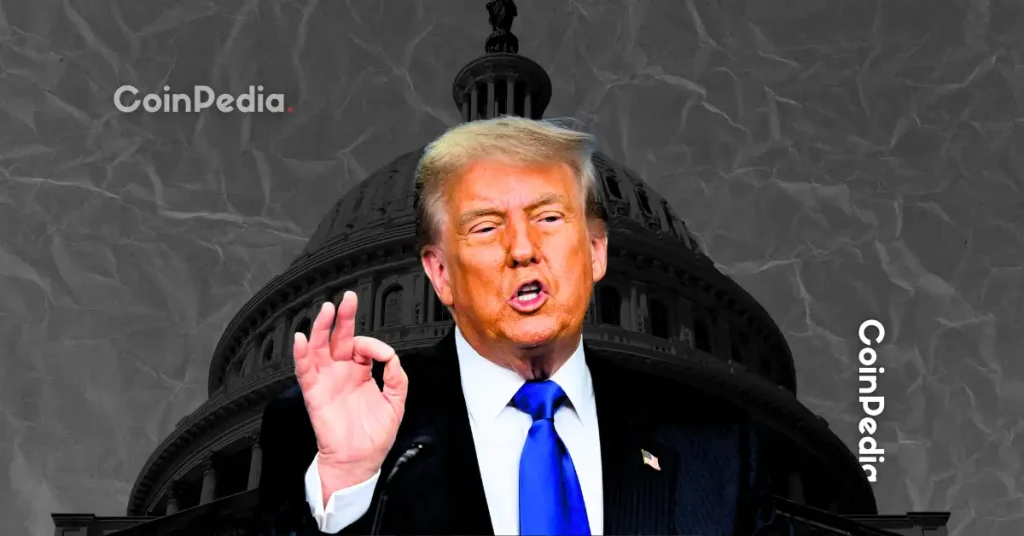 Trump Confirms Launch Operation Against Iran