BitcoinWorld OpenAI Pentagon Agreement Reveals Crucial Safeguards Against Autonomous Weapons and Surveillance In a significant development for artificial intelligence governance, OpenAI has published detailed documentation about its controversial agreement with the U.S. Department of Defense, outlining specific safeguards against autonomous weapons systems and mass surveillance applications. The OpenAI Pentagon agreement comes amid heightened scrutiny of AI companies’ involvement in national security operations, particularly following the collapse of Anthropic’s negotiations with defense agencies last week. This disclosure represents a pivotal moment in the ongoing debate about ethical boundaries for advanced AI systems in military and intelligence contexts. OpenAI Pentagon Agreement Structure and Core Safeguards OpenAI’s published framework reveals a multi-layered approach to ensuring responsible deployment of its technology in classified defense environments. The company explicitly prohibits three specific applications: mass domestic surveillance programs, fully autonomous weapon systems, and high-stakes automated decisions like social credit scoring mechanisms. These restrictions form the foundation of what CEO Sam Altman describes as “red lines” that the company will not cross in defense partnerships. Unlike some competitors who rely primarily on usage policies, OpenAI emphasizes technical and contractual protections. The company maintains full control over its safety stack and deploys exclusively through cloud API access rather than providing direct model access. This architectural decision prevents integration of OpenAI’s technology directly into weapons hardware or surveillance systems. Additionally, cleared OpenAI personnel remain involved in deployment oversight, creating human-in-the-loop safeguards. Contractual Protections and Legal Framework Analysis The agreement incorporates strong contractual protections alongside existing U.S. legal frameworks governing defense technology. According to OpenAI’s documentation, these layers work together to create enforceable boundaries around AI applications. The company specifically references compliance with Executive Order 12333 and other relevant statutes, though this reference has sparked debate among privacy advocates about potential surveillance implications. OpenAI’s head of national security partnerships, Katrina Mulligan, argues that focusing solely on contract language misunderstands how AI safety operates in practice. “Deployment architecture matters more than contract language,” Mulligan stated in a LinkedIn post. “By limiting our deployment to cloud API, we can ensure that our models cannot be integrated directly into weapons systems, sensors, or other operational hardware.” This technical limitation represents a crucial distinction from traditional defense contracting approaches. Comparative Analysis: Why OpenAI Succeeded Where Anthropic Failed The divergent outcomes between OpenAI and Anthropic’s defense negotiations highlight important differences in approach and timing. Anthropic reportedly drew similar “red lines” around autonomous weapons and surveillance but could not reach agreement with the Pentagon. OpenAI’s successful negotiation suggests either different technical architectures, different contractual terms, or different timing in the negotiation process. Industry analysts note several potential factors in OpenAI’s success. The company may have offered more flexible deployment options while maintaining core safeguards. Alternatively, OpenAI’s established government relationships through previous non-defense contracts may have facilitated smoother negotiations. The timing also proved significant, with OpenAI entering negotiations immediately after Anthropic’s collapse, potentially benefiting from the Pentagon’s urgency to secure AI capabilities. Comparison of AI Company Approaches to Defense Contracts Company Core Safeguards Deployment Method Contract Status OpenAI Three explicit prohibitions, multi-layer protection Cloud API only, human oversight Agreement reached Anthropic Similar red lines, policy-based restrictions Undisclosed (negotiations failed) No agreement Industry Reactions and Ethical Implications The announcement has generated significant discussion within the AI ethics community. Some experts praise OpenAI’s transparency and technical safeguards as meaningful steps toward responsible AI deployment. Others express concern about any military applications of advanced AI systems, regardless of safeguards. The debate reflects broader tensions between national security needs and ethical AI development principles. Notably, Techdirt’s Mike Masnick has raised questions about potential surveillance implications, suggesting that compliance with Executive Order 12333 might allow certain forms of data collection. However, OpenAI maintains that its architectural limitations prevent mass domestic surveillance regardless of legal frameworks. This technical versus legal debate highlights the complexity of regulating AI applications in national security contexts. The agreement’s impact extends beyond immediate defense applications. It establishes precedents for how AI companies can engage with government agencies while maintaining ethical boundaries. Other laboratories now face decisions about whether to pursue similar arrangements or maintain complete separation from defense applications. OpenAI has explicitly stated it hopes more companies will consider similar approaches, suggesting a potential industry standard may emerge. Timeline of Events and Market Impact The rapid sequence of events demonstrates the dynamic nature of AI defense contracting. On Friday, negotiations between Anthropic and the Pentagon collapsed. President Trump subsequently directed federal agencies to phase out Anthropic technology over six months while designating the company a supply-chain risk. OpenAI announced its agreement shortly thereafter, creating immediate market reactions. Market data shows measurable impacts from these developments. Anthropic’s Claude briefly overtook OpenAI’s ChatGPT in Apple’s App Store rankings following the controversy, suggesting consumer sensitivity to defense partnerships. However, both companies maintain strong market positions overall. The episode illustrates how government contracting decisions can influence commercial AI markets, creating complex relationships between public and private sector AI development. Technical Architecture and Safety Implementation OpenAI’s approach emphasizes technical controls over policy statements. The cloud API deployment model represents a crucial architectural decision with several safety implications: Continuous oversight: OpenAI maintains operational visibility into how its models are being used Update capability: The company can modify or restrict functionality as needed Integration prevention: Direct hardware integration becomes technically impossible Usage monitoring: Pattern detection can identify potential misuse attempts This architecture contrasts with traditional software licensing models where customers receive complete code access. By retaining control over the operational environment, OpenAI creates inherent limitations on how its technology can be applied. These technical safeguards complement contractual and policy protections, creating what the company describes as a “more expansive, multi-layered approach” than competitors’ primarily policy-based systems. Conclusion The OpenAI Pentagon agreement represents a significant milestone in the maturation of AI governance frameworks for national security applications. By publishing detailed safeguards and technical limitations, OpenAI has established a potentially influential model for responsible AI deployment in sensitive contexts. The agreement’s multi-layered approach—combining technical architecture, contractual protections, and policy prohibitions—addresses ethical concerns while enabling limited defense applications. As AI technology continues advancing, this OpenAI Pentagon agreement may serve as a reference point for balancing innovation, security, and ethical responsibility in an increasingly complex technological landscape. FAQs Q1: What specific applications does OpenAI prohibit in its Pentagon agreement? OpenAI explicitly prohibits three applications: mass domestic surveillance programs, fully autonomous weapon systems, and high-stakes automated decisions like social credit scoring systems. These prohibitions form the core ethical boundaries of the agreement. Q2: How does OpenAI’s approach differ from other AI companies’ defense contracts? OpenAI emphasizes technical and architectural safeguards rather than relying primarily on usage policies. The company deploys exclusively through cloud API access with human oversight, preventing direct integration into weapons hardware and maintaining continuous operational control. Q3: Why did Anthropic fail to reach agreement with the Pentagon while OpenAI succeeded? The exact reasons remain undisclosed, but likely factors include different technical deployment options, different contractual terms, different timing in negotiations, and potentially different interpretations of acceptable safeguards. OpenAI entered negotiations immediately after Anthropic’s collapse, which may have created advantageous timing. Q4: What are the main criticisms of OpenAI’s Pentagon agreement? Critics raise concerns about potential surveillance implications through compliance with Executive Order 12333, the precedent of military AI applications generally, and questions about whether technical safeguards can be circumvented. Some experts argue any military AI use creates unacceptable risks regardless of safeguards. Q5: How does this agreement affect the broader AI industry? The agreement establishes potential precedents for AI company engagement with government agencies. It may influence how other laboratories approach defense contracts and could contribute to emerging industry standards for responsible AI deployment in sensitive applications. This post OpenAI Pentagon Agreement Reveals Crucial Safeguards Against Autonomous Weapons and Surveillance first appeared on BitcoinWorld .

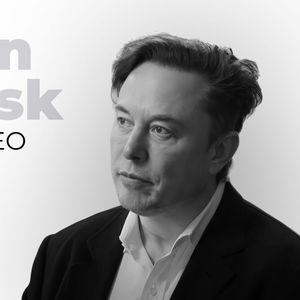 Musk Believes Anthropic Has SBF Vibes