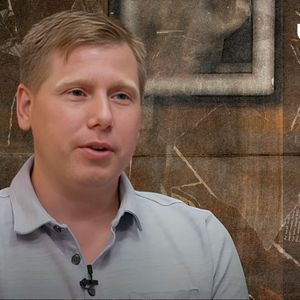
Something is sizzling in the Arabian Peninsula. Not the sun – that was already white-hot – but rather a brilliant light emanating from its tech sector. A masterclass in digital transformation is underway as the United Arab Emirates (UAE) flexes its blockchain credentials. While traditional financial hubs grapple with aging infrastructure and fragmented regulation, the UAE has gotten its house in order from both a regulatory and technical perspective. As a result, the global financial map is being redrawn and the center of gravity is shifting toward the Gulf. Not content with forming a haven for crypto enthusiasts, the UAE is rapidly becoming the production-grade laboratory for the future of money. If you want to know where blockchain is headed through 2026 and beyond, you should start with the United Arab Emirates. Because it’s here that much of the innovation is happening. Regulated and Ready to Roll Recent regulatory evolution in the UAE has laid foundations for broader stablecoin deployment and digital asset integration. The Central Bank of the UAE has just approved the launch of a dirham-backed stablecoin – DDSC. It’s licensed for institutional and government use cases on a localized blockchain designed for compliant digital finance operations. The launch is part of a wider trend that’s seen the UAE dominate specific onchain spheres of operation – stablecoins especially. Within the region, Tharwa – led by founder Saeed Al Fahim – has already demonstrated demand for institutional yield products powered by stablecoins. Its thUSD token is backed by Shariah-compliant assets including gold, with Saeed Al Fahim articulating this approach as a structural alternative to conventional stablecoins. Alongside dirham-linked tokens, US dollar-pegged stablecoins are gaining regulatory recognition. In addition to thUSD, a USD-pegged token – USDU – has received approval from the UAE central bank under the nation’s Payment Token Service Regulation, marking one of the first formal approvals of a foreign currency stablecoin within its regulated financial system. Circle has also secured operating permissions in the Abu Dhabi Global Market (ADGM), reinforcing the region’s role as a compliant regional base for major token issuers. The flurry of stablecoin protocols springing up in the UAE are part of a broader shift within the region that’s seen it transition from pilot frameworks to operational use. Everywhere you look, from programmable payments to settlement, and from treasury operations to trade flows, it’s all being shipped under clear oversight but with a mandate to be bold and build cool stuff. In It for Institutions While the full scope of blockchain projects making strides in the UAE extends beyond stablecoin developers, one commonality that connects the West Asian country is its target market. The majority of the products it’s pushing out are targeted at institutions as the UAE looks to seamlessly connect digital assets with mainstream finance. The DDSC project mentioned earlier, for example, is backed by leading domestic players including International Holding Company (IHC), Sirius International Holding, and First Abu Dhabi Bank (FAB), with the Central Bank’s endorsement facilitating integration into regulated payment and settlement systems. Aside from local currency tokens, stablecoin networks are also being linked as liquidity bridges. Institutional player Ripple has just announced a collaboration with UAE digital bank Zand. The pair aim to interconnect Ripple’s RLUSD with an AED-backed stablecoin (AEDZ), creating cross-currency digital liquidity that reduces friction for institutional counterparties. From Experimentation to Execution It’s easy to reel off a list of funding announcements and partnerships as evidence of activity within a particular region. With the UAE, however, there’s no need to cherry-pick projects to construct a narrative: there’s independent evidence that innovation is afoot. On February 11, the Blockchain Center Abu Dhabi released a report that summarized this trend, crediting the UAE’s regulatory framework with facilitating the institutional frameworks now being rolled out. The report shows the country entering an execution phase “defined by scale, regulatory clarity, and institutional deployment. Evidence of blockchain adoption appears in live, regulated use cases, including a national digital identity infrastructure serving 11 million users, multiple DFSA- and FSRA-approved stablecoins already live, a central bank digital currency in pilot with first transactions executed, and real-world asset tokenization initiatives intending to tokenize $4 billion across real estate alone.” It’s not just hype then – across the UAE, blockchain development is actually happening. If there’s one characteristic that these diverse projects share, aside from skewing overwhelmingly towards institutions, it’s that they’re often localized. This means developing solutions that meet the capital requirements, currency, and cultural preferences of Arabs. But that’s not to say it’s all inward looking: there’s also progress being made in integrating the UAE more deeply with the broader crypto industry. Exchanges such as CoinMENA are improving fiat-to-crypto flows and expanding support for stablecoin trading under local regulatory regimes. Meanwhile, national bank the CBUAE has entered the operational phase of its CBDC, marking a critical step toward a token-ready national economy. Whatever your take on CBDCs, it’s no coincidence that the countries closest to launching their own implementations are already renowned tech hubs with a high degree of digital literacy. What Happens in the UAE Doesn’t Stay in the UAE Exciting as all this innovation is, if you're a citizen of the United Arab Emirates, you may be wondering why it matters to crypto holders in the rest of the world. In short, because while regulations may be geo-fenced, ideas are not. When one region takes the lead in a particular blockchain vertical, be it institutional yield products or RWAs, these concepts tend to be adopted – and emulated – globally. At the same time, a rising reputation for tech excellence tends to form a talent magnet, attracting more developers, founders, and investors who are drawn like moths to a flame. That’s a fair summation of the UAE right now. In 2026, its blockchain sector is on fire – and the heat is radiating outwards. Disclaimer: This article is provided for informational purposes only. It is not offered or intended to be used as legal, tax, investment, financial, or other advice.