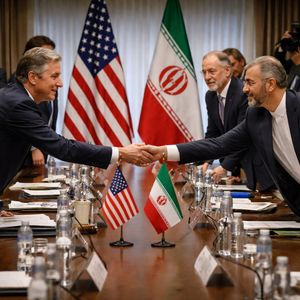
BitcoinWorld Critical 45-Day Ceasefire: US and Iran in Tense Last-Minute Talks to Avert Major Escalation WASHINGTON, D.C. – April 7, 2025 – The United States and Iran have entered critical last-minute negotiations for a temporary 45-day ceasefire, potentially preventing a major regional conflict escalation. According to exclusive reporting from Axios, citing four U.S., Israeli, and regional sources, both nations are engaging with regional mediators in a final diplomatic push. This development follows President Trump’s extension of a crucial deadline, creating a narrow window for diplomatic resolution. US and Iran Pursue 45-Day Ceasefire Framework Diplomatic sources confirm intensive discussions between American and Iranian officials through regional intermediaries. The proposed 45-day ceasefire represents a significant confidence-building measure. Consequently, this temporary halt in hostilities could establish necessary conditions for broader negotiations. Regional mediators from neighboring countries are facilitating communication channels between the long-standing adversaries. Multiple sources indicate a partial agreement within 48 hours remains unlikely. However, they emphasize this represents the final opportunity to prevent substantial military escalation. The proposed ceasefire would include specific verification mechanisms and confidence-building provisions. Furthermore, international observers would monitor compliance throughout the 45-day period. Trump’s Deadline Extension Creates Diplomatic Window President Trump initially imposed a 10-day deadline on Iran scheduled to expire April 6. However, on April 5, he announced a 20-hour extension via his Truth Social platform. The new deadline now stands at 12:00 a.m. UTC on April 8. This extension provides additional time for negotiators to reach consensus on ceasefire terms. President Trump told Axios the United States maintains deep negotiations with Iran. He expressed cautious optimism about reaching agreement before the new deadline. The administration views the extended timeline as essential for thorough diplomatic engagement. Meanwhile, regional partners continue advocating for peaceful resolution mechanisms. Historical Context of US-Iran Relations The current negotiations occur against decades of complex bilateral relations. Key historical moments include: 1979 Iranian Revolution: Fundamental shift in bilateral relations 2015 Nuclear Deal (JCPOA): Multilateral agreement limiting Iran’s nuclear program 2018 US Withdrawal: Trump administration exit from JCPOA 2020 Tensions: Escalation following General Soleimani’s death Regional experts note the 45-day proposal mirrors previous temporary arrangements. These include short-term ceasefires during various Middle Eastern conflicts. The current effort represents the most significant diplomatic engagement in recent years. Regional Mediation and International Response Neighboring nations are playing crucial mediation roles in the negotiations. These countries maintain diplomatic relations with both Washington and Tehran. Their involvement provides essential communication channels between the principal parties. Regional stability concerns motivate their active participation in the process. International responses have been cautiously optimistic but measured. European Union officials emphasize the importance of diplomatic solutions. United Nations representatives highlight the potential humanitarian benefits. Meanwhile, regional allies monitor developments closely for security implications. Military and Economic Implications A successful 45-day ceasefire would have immediate regional impacts: Area Potential Impact Military Reduced immediate conflict risk, troop repositioning Economic Oil market stabilization, reduced risk premiums Humanitarian Potential aid corridor openings, civilian protection Diplomatic Foundation for extended negotiations, trust-building Energy markets have shown sensitivity to negotiation developments. Oil prices experienced volatility as news emerged about the diplomatic efforts. Regional shipping lanes would benefit from reduced immediate threats. Global supply chains might experience stabilization with successful implementation. Verification Mechanisms and Compliance Concerns The proposed ceasefire includes specific verification protocols. International observers would monitor compliance through multiple channels. Satellite imagery analysis would track military movements. Ground-based monitoring stations would verify adherence to terms. Compliance remains a primary concern for all parties. Previous agreements have faced implementation challenges. The 45-day timeframe allows testing verification systems. Additionally, it establishes precedent for longer-term arrangements. Technical working groups are developing monitoring methodologies. These include communication protocols between military commands. Furthermore, they establish incident response procedures. The verification framework represents a critical component of negotiations. Conclusion The US and Iran 45-day ceasefire negotiations represent a critical diplomatic opportunity. President Trump’s deadline extension created essential space for dialogue. Regional mediation efforts continue facilitating communication between the parties. While challenges remain substantial, the potential avoidance of major conflict escalation justifies intensive diplomatic engagement. The coming hours will determine whether temporary cessation of hostilities can pave the way for more comprehensive resolution of longstanding tensions. FAQs Q1: What is the current status of US-Iran ceasefire talks? According to multiple sources, the United States and Iran are engaged in last-minute negotiations through regional mediators for a 45-day temporary ceasefire, with President Trump extending the original deadline to provide additional diplomatic time. Q2: Why is a 45-day timeframe significant for these negotiations? The 45-day period serves as a confidence-building measure that allows verification systems testing, establishes trust between parties, and creates conditions for potential extended negotiations while preventing immediate military escalation. Q3: What role do regional mediators play in these discussions? Regional mediators from neighboring countries facilitate communication between Washington and Tehran, maintain diplomatic channels with both parties, and advocate for peaceful resolution to ensure regional stability. Q4: How does this ceasefire attempt differ from previous diplomatic efforts? This effort represents the most significant engagement in recent years, occurring against a backdrop of extended tensions and utilizing regional mediation channels that have developed through ongoing diplomatic relationships. Q5: What are the potential consequences if negotiations fail before the deadline? Failure to reach agreement could trigger the expiration of President Trump’s extended deadline, potentially leading to military escalation, regional instability, economic disruption, and humanitarian consequences across conflict zones. This post Critical 45-Day Ceasefire: US and Iran in Tense Last-Minute Talks to Avert Major Escalation first appeared on BitcoinWorld .