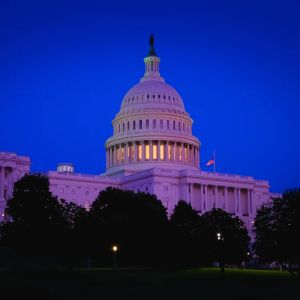
BitcoinWorld Goldman Sachs CEO Reveals US Crypto Bill Faces Daunting Delays in 2025 Legislative Process NEW YORK, January 2025 – Goldman Sachs CEO David Solomon delivered a sobering assessment of U.S. cryptocurrency legislation during the firm’s fourth-quarter earnings call, revealing that the much-anticipated market structure bill faces substantial legislative hurdles. His comments highlight the complex regulatory landscape confronting digital assets as financial institutions increasingly engage with tokenization and blockchain technologies. This development comes amid growing institutional interest in cryptocurrency markets and increasing pressure for regulatory clarity from traditional finance sectors. Goldman Sachs CEO Details Crypto Bill Challenges David Solomon specifically addressed the Crypto-Asset Reporting, Innovation, and Technology Act, commonly known as the CLARITY Act. He emphasized that Goldman Sachs monitors this legislation carefully due to its potential impact on financial innovation. The bill aims to establish comprehensive regulatory frameworks for digital assets, including clear definitions and jurisdictional boundaries. Solomon noted that recent developments suggest considerable time will pass before meaningful progress occurs. His assessment reflects broader institutional concerns about regulatory uncertainty in cryptocurrency markets. Financial analysts immediately recognized the significance of Solomon’s comments. They indicate that major financial institutions remain cautious about expanding cryptocurrency services without clearer regulatory guidelines. The delayed legislation affects planning for tokenized asset platforms and digital custody solutions. Market observers note that regulatory uncertainty may temporarily advantage jurisdictions with more established digital asset frameworks. Consequently, U.S. financial innovation could face competitive pressures from global markets. Legislative Timeline and Recent Setbacks The CLARITY Act experienced a significant setback when the Senate Banking Committee postponed its planned markup session. This delay followed Coinbase’s withdrawal of support for the current draft legislation. The cryptocurrency exchange cited concerns about specific provisions that might hinder innovation. Committee members subsequently requested additional time for revisions and stakeholder consultations. Legislative analysts now predict the bill may not reach committee vote until late 2025 at the earliest. Several factors contribute to the legislative complexity. First, lawmakers must balance consumer protection with innovation facilitation. Second, jurisdictional questions between regulatory agencies require careful resolution. Third, technological developments continuously outpace legislative processes. The table below illustrates key stakeholders and their positions: Stakeholder Position on CLARITY Act Primary Concerns Traditional Banks Generally Supportive Clear regulatory boundaries, compliance frameworks Crypto Exchanges Mixed Support Innovation restrictions, operational requirements Consumer Groups Cautiously Optimistic Investor protection, transparency mandates Regulatory Agencies Seeking Clarification Jurisdictional authority, enforcement mechanisms Historical context reveals that comprehensive financial legislation typically requires multiple congressional sessions. The Dodd-Frank Act, for instance, underwent extensive revisions over several years. Similarly, cryptocurrency regulation involves novel technological considerations that complicate traditional legislative approaches. Committee staff members continue working on technical amendments while maintaining dialogue with industry representatives. Institutional Impact on Tokenization and Stablecoins Solomon specifically highlighted the legislation’s potential effects on tokenization and stablecoin markets. Tokenization refers to representing real-world assets as digital tokens on blockchain networks. Financial institutions increasingly explore this technology for various applications: Asset Fractionalization: Dividing high-value assets into smaller investment units Settlement Efficiency: Accelerating transaction settlement through smart contracts Regulatory Compliance: Embedding compliance requirements directly into token protocols Market Accessibility: Expanding investment opportunities to broader participant groups Stablecoin regulation represents another critical component. These digital assets maintain stable values by pegging to traditional currencies or other reserves. The CLARITY Act proposes specific frameworks for stablecoin issuance and operation. Regulatory clarity would enable traditional financial institutions to engage more confidently with stablecoin technologies. Currently, uncertainty limits institutional participation despite growing market demand for dollar-pegged digital assets. Goldman Sachs has publicly explored tokenization initiatives through various pilot programs. The firm recognizes blockchain technology’s potential to transform traditional financial services. However, regulatory ambiguity creates implementation challenges. Solomon’s comments reflect this practical reality for institutional adoption. Other major banks echo similar concerns about navigating uncertain regulatory environments while pursuing technological innovation. Comparative Global Regulatory Approaches While U.S. legislation faces delays, other jurisdictions advance their cryptocurrency regulatory frameworks. The European Union implemented its Markets in Crypto-Assets (MiCA) regulation in 2024. This comprehensive framework establishes clear rules for cryptocurrency service providers and token issuers. Asian financial centers including Singapore and Hong Kong also developed progressive regulatory regimes. These jurisdictions aim to attract cryptocurrency businesses through regulatory certainty. The United Kingdom recently announced its own cryptocurrency regulatory package. British authorities emphasize innovation-friendly approaches while maintaining robust consumer protections. This global regulatory patchwork creates complex compliance requirements for international financial institutions. Many firms establish operations in multiple jurisdictions to navigate varying regulatory environments. The delayed U.S. legislation may temporarily disadvantage American financial innovation relative to global competitors. International regulatory cooperation continues through organizations like the Financial Stability Board and International Organization of Securities Commissions. These bodies develop global standards for cryptocurrency regulation. However, national implementation varies significantly across jurisdictions. The delayed CLARITY Act complicates U.S. participation in these international coordination efforts. Regulatory divergence could eventually create market fragmentation and compliance challenges for global financial institutions. Expert Analysis and Market Implications Financial regulation experts analyze the delayed legislation’s potential consequences. Dr. Eleanor Vance, former SEC senior counsel and current Georgetown University professor, explains the situation. “Comprehensive cryptocurrency legislation involves unprecedented technical complexity,” she notes. “Lawmakers must understand blockchain fundamentals while addressing legitimate regulatory concerns. This educational process naturally extends legislative timelines.” Market participants already adjust strategies based on regulatory expectations. Institutional cryptocurrency adoption continues through existing regulatory frameworks. However, ambitious projects requiring novel regulatory approvals face implementation delays. Venture capital investment in cryptocurrency infrastructure remains strong despite legislative uncertainty. Investors recognize that regulatory clarity will eventually emerge, creating substantial opportunities for compliant solutions. The delayed legislation affects various market segments differently. Established cryptocurrency exchanges continue operating under existing regulatory interpretations. New financial products involving tokenization await clearer guidelines before full-scale launch. Traditional financial institutions proceed cautiously with blockchain initiatives while monitoring legislative developments. This cautious approach may temporarily slow innovation but potentially reduces regulatory risk exposure. Conclusion Goldman Sachs CEO David Solomon’s assessment highlights significant challenges facing U.S. cryptocurrency legislation. The CLARITY Act requires additional time for legislative refinement and stakeholder consensus. This delayed timeline affects institutional planning for tokenization and stablecoin initiatives. While regulatory uncertainty persists, financial institutions continue exploring blockchain applications within existing frameworks. The eventual establishment of comprehensive cryptocurrency regulation will likely accelerate institutional adoption and innovation. Market participants should monitor legislative developments while maintaining flexible implementation strategies for digital asset initiatives. FAQs Q1: What is the CLARITY Act? The Crypto-Asset Reporting, Innovation, and Technology Act represents proposed U.S. legislation establishing comprehensive regulatory frameworks for digital assets. It addresses market structure, consumer protection, and jurisdictional questions for cryptocurrency markets. Q2: Why did Coinbase withdraw support for the current draft? Coinbase expressed concerns that specific provisions might unnecessarily restrict innovation. The exchange continues advocating for balanced regulation that protects consumers while enabling technological advancement in cryptocurrency markets. Q3: How does delayed legislation affect tokenization? Regulatory uncertainty creates implementation challenges for tokenization projects. Financial institutions hesitate to launch comprehensive tokenization platforms without clearer regulatory guidelines, potentially slowing innovation in this emerging sector. Q4: What are stablecoins and why do they need regulation? Stablecoins are digital assets designed to maintain stable values, typically pegged to traditional currencies. Regulation establishes standards for reserve management, issuance transparency, and operational reliability to protect users and maintain financial stability. Q5: How does U.S. cryptocurrency regulation compare globally? The United States currently lags behind jurisdictions like the European Union in establishing comprehensive cryptocurrency regulation. This regulatory divergence creates compliance complexities for international financial institutions operating across multiple jurisdictions. This post Goldman Sachs CEO Reveals US Crypto Bill Faces Daunting Delays in 2025 Legislative Process first appeared on BitcoinWorld .